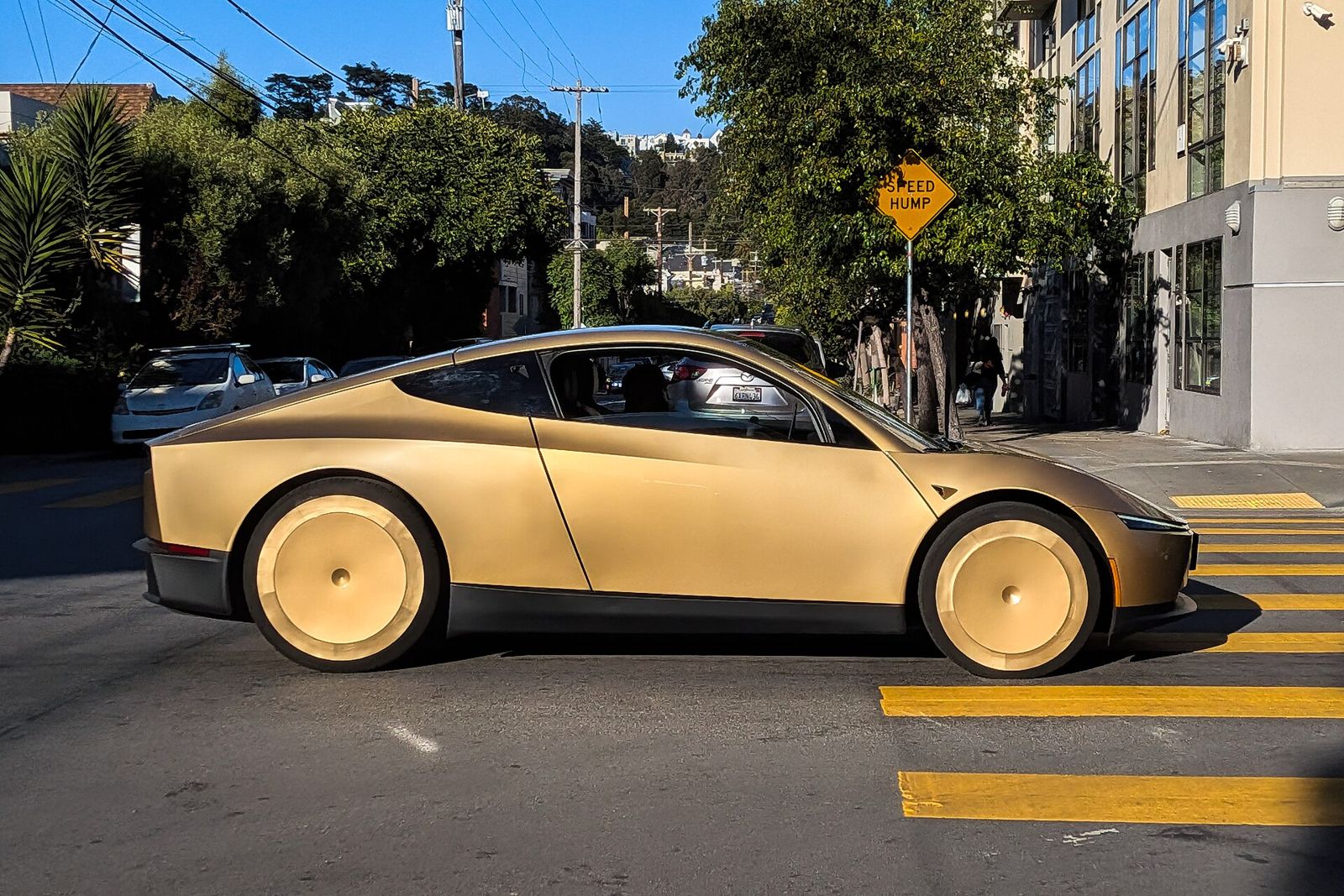
One month after opening Cybercab rides to the public in Austin, Tesla says it has more than 300 of the two-seat, steering-wheel-free cars "serving Austin." The company's official Robotaxi account posted the figure on Saturday, Oct. 10, and called it an eightfold increase in 30 days.
What the state records show
Texas Department of Motor Vehicles records back up the direction, if not every detail. The state's autonomous-vehicle registry listed 319 Cybercabs under Tesla Robotaxi LLC as of Oct. 9, after Tesla added a record 150 in a single day, according to a tally of the registry reported by NotATeslaKiller. CNBC, citing the same state data, reported 169 Cybercabs authorized as of Oct. 2, up from 45 when the Austin service launched on Sept. 3.
With those additions, Tesla's Texas robotaxi fleet stood at 739 vehicles: 420 Model Ys and 319 Cybercabs, meaning the purpose-built car is now about 43% of the registered fleet.
The registry does not say where the cars operate or how many are active, so it cannot confirm that all 319 are in Austin. Spotters have reported up to roughly 200 Cybercabs at a Tesla staging lot in Houston, where driverless Model Y robotaxis already run. Public Cybercab rides remain limited to Austin.
Vehicles are not rides
Tesla's post is a fleet count. It does not define "serving," and it gives no trip volume, utilization or wait times. That gap has shown up before: on Sept. 22, Electrek reported that a community tracker had seen only eight unique Tesla robotaxis carrying passengers in Austin over the prior week. That snapshot predates the latest registration surge, but it is a reminder that registered cars and paid rides are different measures.
For riders, Tesla's support material says the vehicle you get depends on availability and party size, so you can't count on booking a Cybercab specifically. It seats two.
Regulators are asking questions
In early September the National Highway Traffic Safety Administration opened an inquiry into how Tesla certified that the Cybercab, which has no steering wheel, pedals or side mirrors, meets federal motor vehicle safety standards. (Reports date the opening to Sept. 3 or Sept. 4.) Tesla asked for an extension to Nov. 20; NHTSA granted 30 days, moving the response deadline from Sept. 30 to Oct. 30, according to NotATeslaKiller. The probe is a certification review, not a finding that the car is unsafe.
How fast can Tesla build them?
Tesla's Q2 2026 shareholder deck listed installed Cybercab capacity at Giga Texas at more than 125,000 units a year, with the company's own caveat that installed capacity does not equal the current production rate. Job listings for Cybercab castings and closures work in Austin suggest the line is still staffing up.
What it means: Investors will want ride and utilization data, not just vehicle counts, when Tesla reports Q3 results on Oct. 21. Owners hoping their own cars can join a robotaxi network should note that the registered Texas fleet is listed under Tesla's own Tesla Robotaxi LLC.