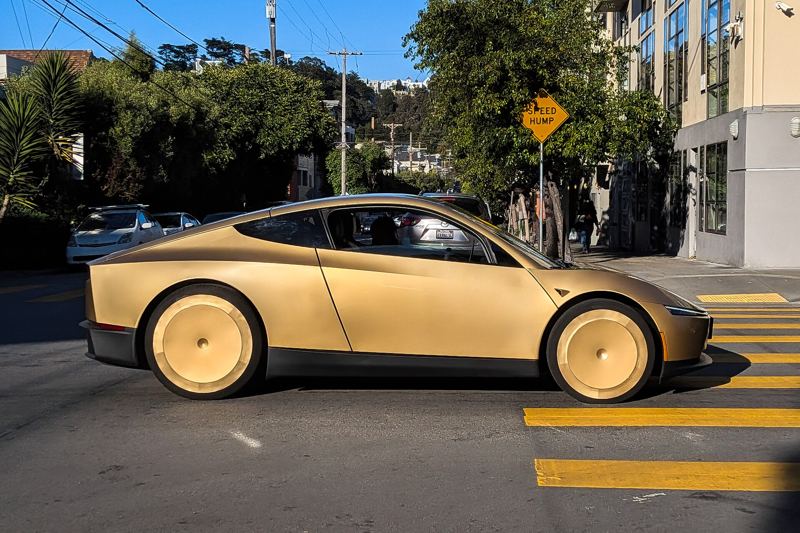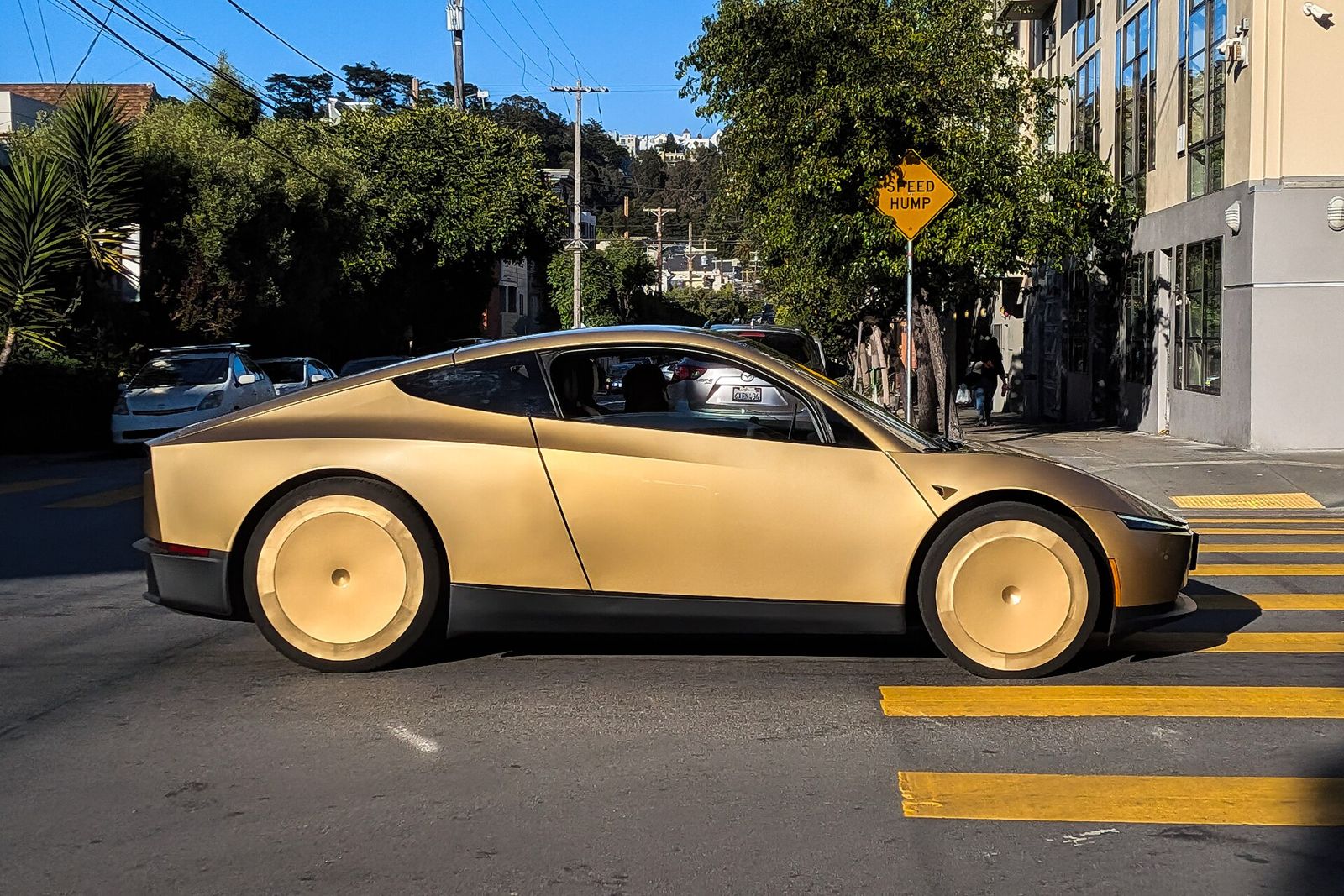
Japan is considering new safety certification rules for self-driving vehicles that have no steering wheel, brake pedal or accelerator. Nikkei Asia says the aim is to encourage mass production of autonomous taxis and similar vehicles.
What changes
Today, vehicles without normal driving controls are certified one by one. Under the plan, the Ministry of Land, Infrastructure, Transport and Tourism (MLIT) would apply common requirements to Level 4 and Level 5 vehicles built from December. Aju Press, citing Nikkei, says the revised standards were to be discussed at a vehicle safety meeting on Nov. 4.
Certified vehicles would not need steering wheels, pedals, mirrors or driver monitoring systems. That cuts parts costs and frees up cabin space.
Limits
Vehicles that carry passengers, such as robotaxis and buses, would still need crash tests with dummies. Unmanned cargo vehicles would be exempt from those tests, but both kinds must have safeguards against system failures. Running a driverless passenger service on public roads would still need a separate permit.
The plan follows a June agreement at the UN's WP29 forum. Formal international standards are expected in December.
Why it matters for Tesla
Drive Tesla Canada notes the rules could help vehicles like Tesla's Cybercab, which has no steering wheel or pedals, as Tesla pushes for FSD approval in Japan. Japan targets 10,000 Level 4-capable buses, taxis and other vehicles by fiscal 2030.