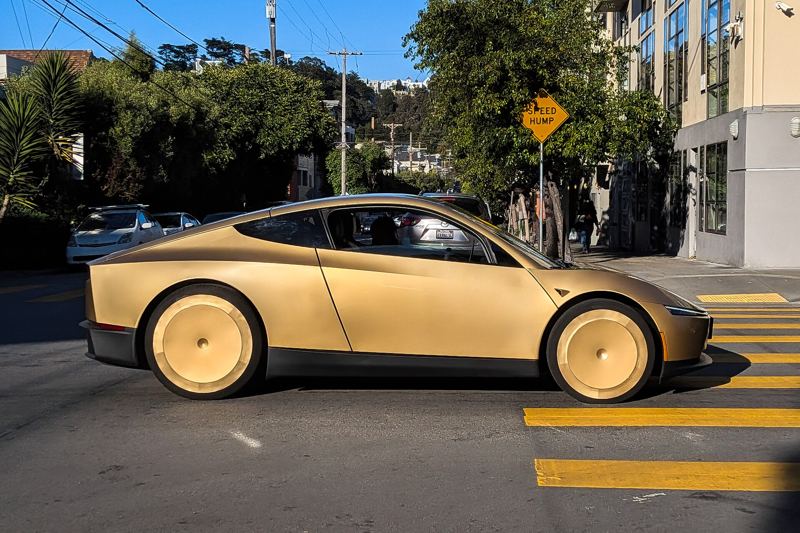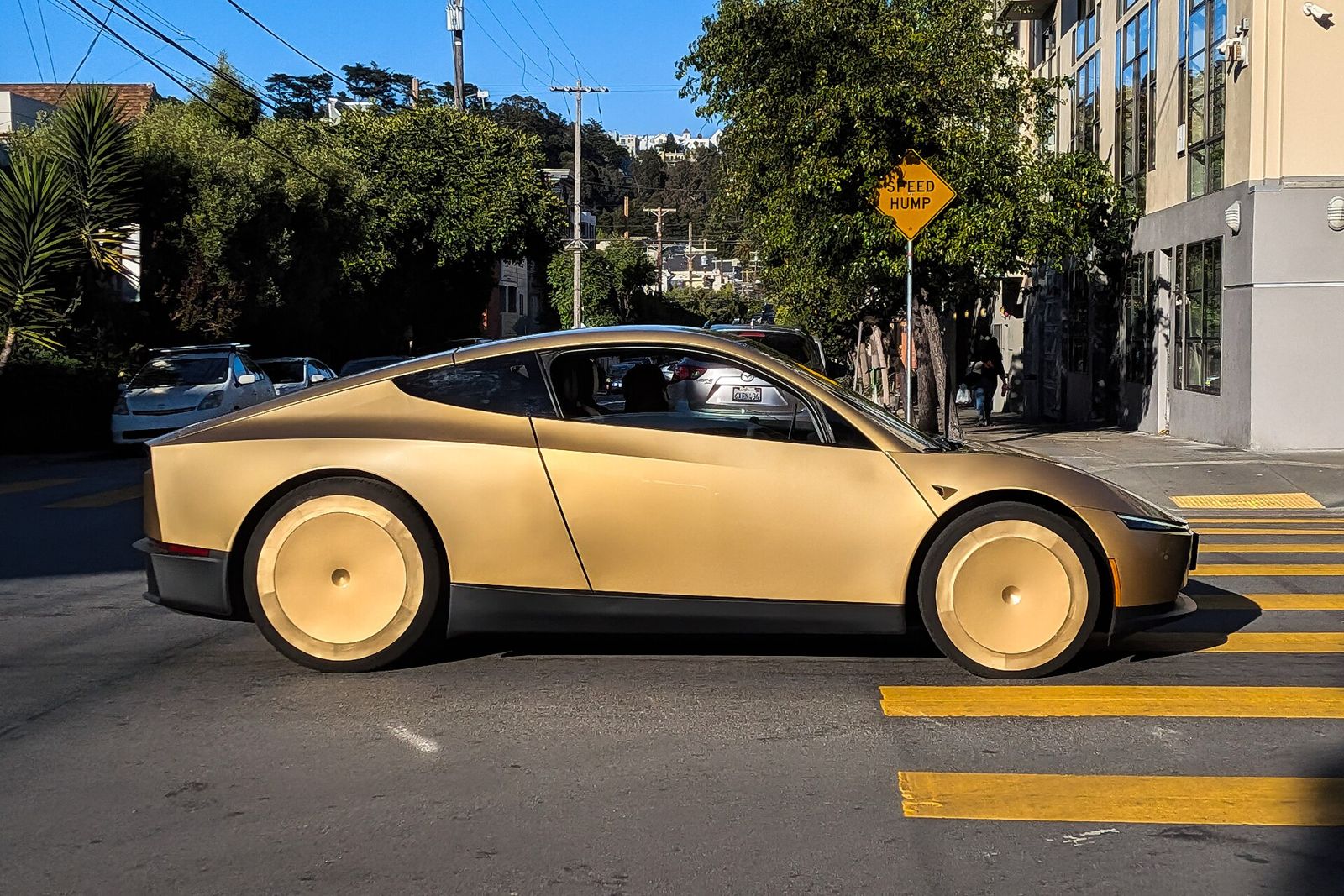
Elon Musk said the Tesla Cybercab will perform "a majority of all passenger miles" where it is allowed to operate, and that the point is "obvious to anyone with eyes and a brain," Teslarati reported.
In a Nov. 10 post on X, Musk wrote: "Cybercab will do a majority of all passenger miles in any jurisdiction where it is not prohibited by law. Obvious to anyone with eyes and a brain." He used the point, Teslarati said, to double down on Tesla's decision to end the Cybertruck, with production space to be removed and transitioned into additional Cybercab lines. The publication described that choice as already catalyzing a polarizing conversation among owners and fans about whether it is the right call.
Teslarati compared the move to earlier endings of enthusiast cars at other automakers, naming the Dodge Viper, Audi R8, Mitsubishi Lancer Evo, Ford Bronco in an earlier chapter, and the Chevrolet Camaro. That comparison is the publication's, not a formal Tesla statement. The fact Musk put on the record is narrower: in places where law does not block it, he expects Cybercab to take most passenger miles.
Austin has the wheel-less version. Most sightings still have a driver.
As of Teslarati's report, Cybercab is only active in Austin, though prototypes have been spotted around the country with a driver behind the wheel. In Austin, the car has no steering wheel or pedals for people to control the vehicle. Tesla is betting, in Teslarati's account of the strategy, that future passengers will be willing not to own a personal car and will use ride-hailing for dinners, errands and trips to the airport, and that in Tesla's preferred version of that future the vehicle doing the work is a Cybercab.
Musk's wording is a forecast, not a traffic statistic. He did not, in the post Teslarati quoted, give a date, a city-by-city timetable, or a share of miles already being served. He said the majority-miles outcome will hold wherever Cybercab is not prohibited, and that he considers that obvious. The operational snapshot in the same report is more modest: a driverless, wheel-less service in Austin, and driver-in-the-seat prototypes elsewhere.
The production point sits alongside that forecast. Teslarati reported that Cybertruck production space is being converted into additional Cybercab lines, and that Musk's public focus is now on an autonomous platform rather than on revisiting the truck decision. Readers should treat the passenger-miles claim as Musk's assertion, and the Austin-only service footprint as the current fact pattern Teslarati described.