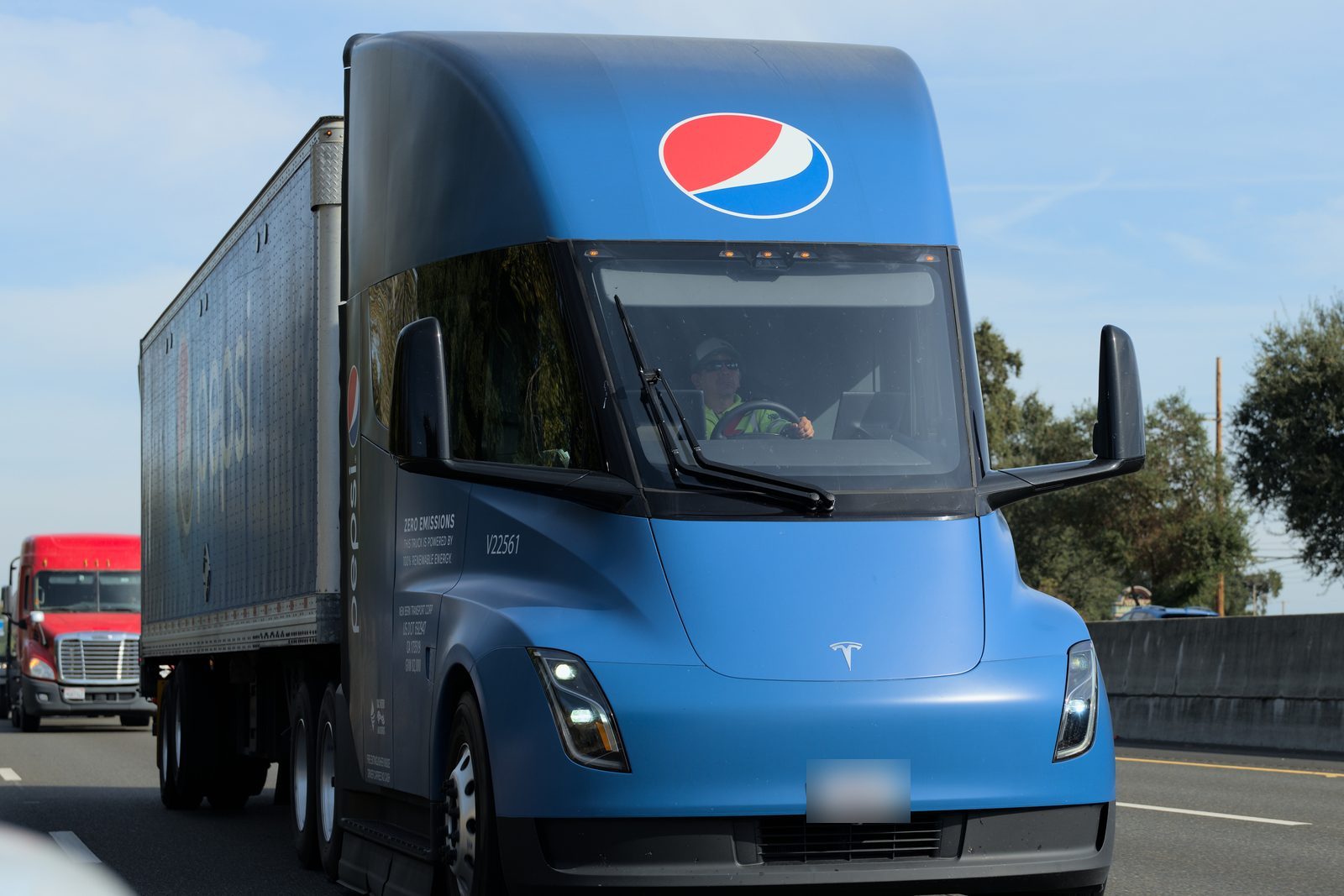
An electric semi truck can also work as a large battery for the grid, a German research consortium has concluded. The SPIRIT-E project ran from August 2023 to October 2026 with German federal funding, according to electrive, and presented its results on Oct. 30.
What was tested
- At the Schmid logistics depot near Regensburg, a MAN eTGX with 480 kWh of usable energy fed power back through a bidirectional DC station at up to 350 kW. Power went both to the depot's own network (vehicle-to-site) and to the public grid (vehicle-to-grid), MAN says.
- The truck also charged other vehicles (vehicle-to-vehicle). The partners also tested electricity trading in a trial setup.
- Charging and discharging communication used the ISO 15118-20 standard. Shell Business Recharge Solutions (SBRS) built the bidirectional DC hardware.
The numbers
The consortium was led by the Technical University of Munich, with partners including Fraunhofer IEE, TenneT, Hubject, Consolinno and MAN. It puts realistic energy-cost savings at about 10%. electrive reports that grid and market integration cut fleet costs by an average of 1.7 cents per km, or 6.1 cents per km with bidirectional charging. The partners say the biggest remaining hurdles are grid connections, the lack of common standards, and agreeing how revenue is split, rather than the technology. MAN's head of product strategy, Georg Grüneißl, said MAN is now working to bring the function into series production.
Why it matters
A European truck maker proving vehicle-to-grid at 350 kW sets a benchmark that electric trucks, including Tesla's Semi, will be measured against as battery-buffered depots spread, alongside products like Allye's second-life depot charger.