Anthropic's Frontier Red Team says small AI models may be months away from self-replicating on commercial internet-of-things devices such as smart ovens and off-brand Android TV boxes. "A replicator like this would be challenging to shut down, since there's no centralized point to shut off — though it may be slow (with a doubling time of days)," researchers William Zhou and Daniel Freeman wrote in a post dated Oct. 12, 2026, covered again by the Guardian on Oct. 18.
What they demonstrated
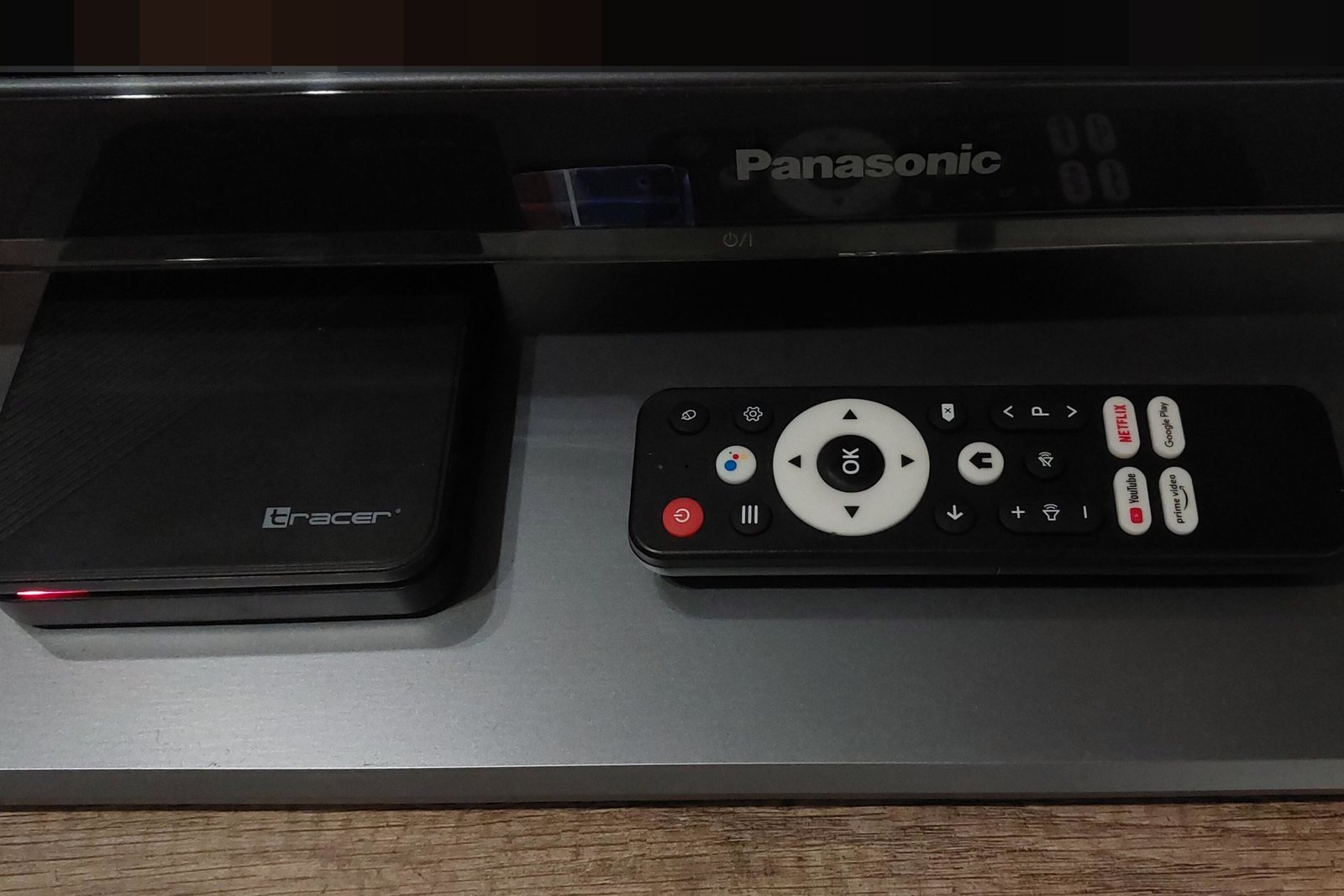
- They ran Gemma4-26B-A4B distributed across 15 inexpensive Android TV boxes (~$55 each) at 0.39 tokens per second.
- A 9B model got inference running on 8 of 9 hardware types tested.
- In a firewalled GCP fleet of Android emulators, GLM-5.2 completed end-to-end replication (with cyber exploits simplified) in most trials.
- If small models keep improving at their recent rate, Anthropic's trend line puts them at that capability level by the end of 2026.
The company stresses this is research in a controlled setting, not a claim that rogue worms are loose. Outside experts quoted by the Guardian split: some called for more cyber resources, others called it "nifty stunt hacking" amplified for doomer narratives. Anthropic's advice: harden IoT defaults, watch for odd multi-gigabyte payloads between home devices, and prepare for a world where such replicators may eventually exist. Related: our earlier EU AI Act enforcement and Huang on AI safety coverage.