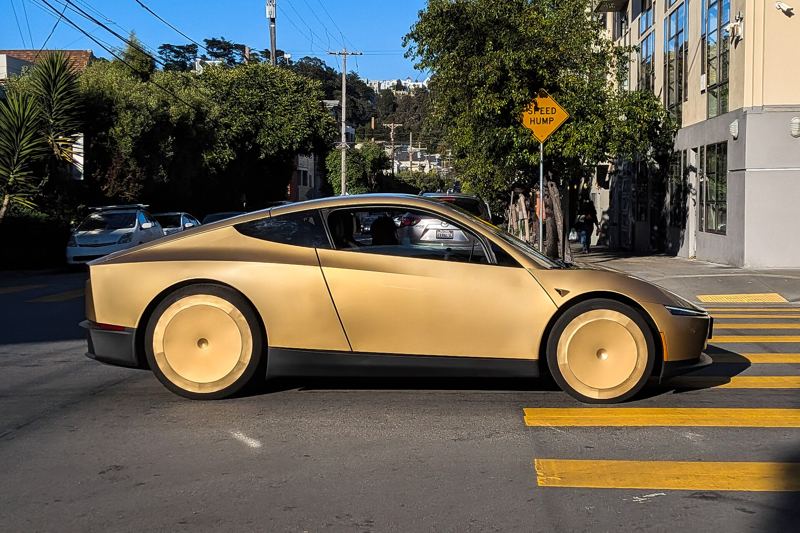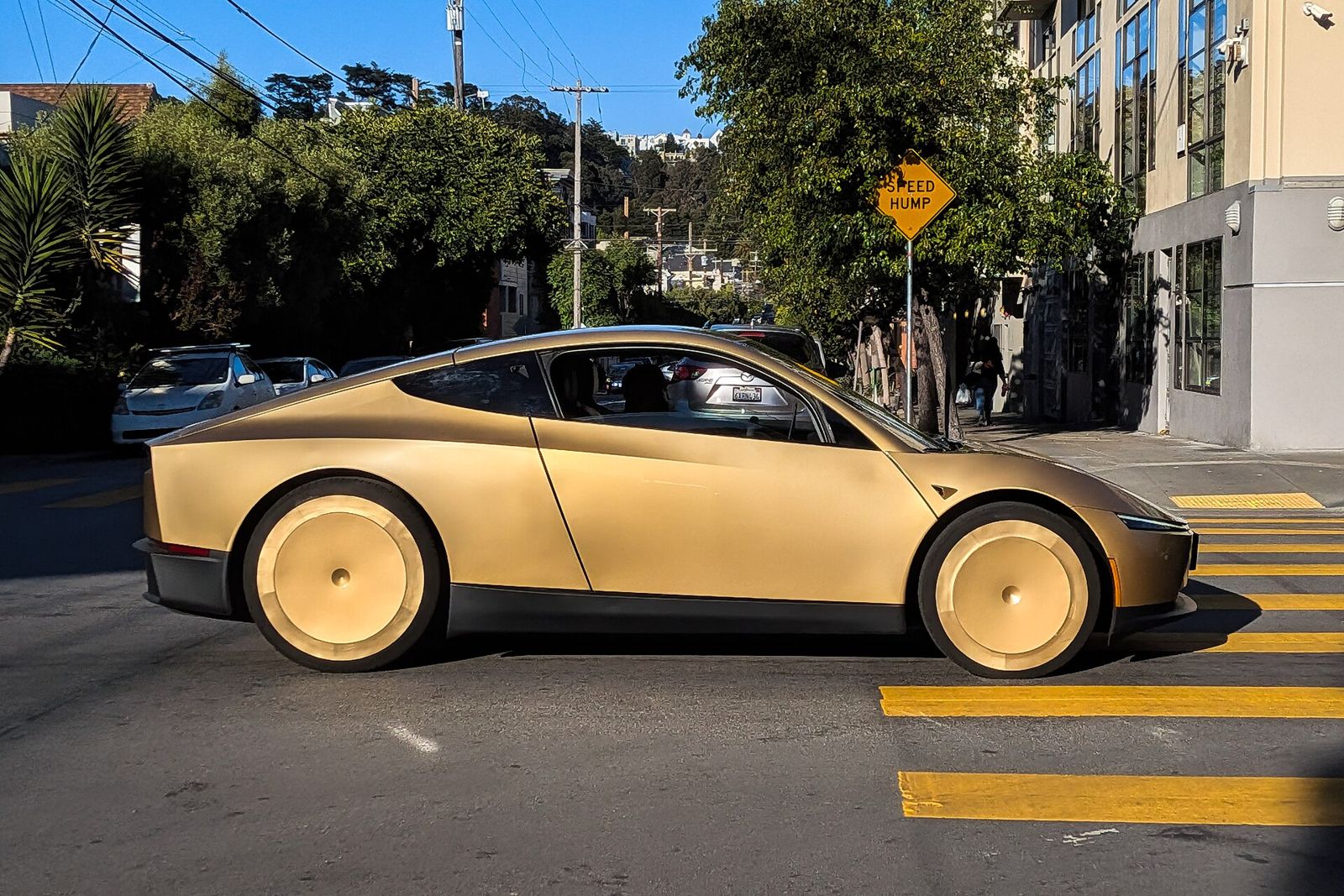
Federal safety regulators are reviewing a petition that says Tesla's driverless robotaxis go faster than the posted limit in active school zones. NHTSA's Office of Defects Investigation (ODI) opened the review on Friday, Oct. 9, 2026, as defect petition DP26010, according to the agency's investigations database. It drew wider attention on Monday morning, Oct. 12, when market newswires picked it up. Newsquawk put the number of vehicles covered at about 1,000.
What NHTSA's record says
ODI says it received the petition on Sept. 23, 2026. It covers model-year 2026 Tesla Robotaxis, both the Model Y and the Cybercab, when the Automated Driving System is engaged. The petitioner, who is not named in the record, says the system "exceeds posted speed limits in active school zones" and sent three links to video footage as evidence. ODI says it opened the review "to evaluate the allegations and determine whether to grant or deny the petition." The petition itself is filed under ODI number 11766676.
The record gives no speeds, locations or dates for the alleged incidents, and it doesn't say which cities they happened in. We found no public response from Tesla as of Monday morning PT.
A petition is not a probe or a recall
This is the first step on NHTSA's ladder. Anyone can file a defect petition asking the agency to act. Opening one only means ODI is deciding whether the complaint deserves a formal investigation. Federal law (49 U.S.C. § 30162) gives the agency 120 days from filing to approve or deny it. A denial has to be explained in the Federal Register. Counting from Sept. 23, the deadline works out to about Jan. 21, 2027.
If NHTSA grants the petition, the usual next step is a Preliminary Evaluation, which can be upgraded to an Engineering Analysis and, at the end, a recall. Newsquawk noted that most petitions never become formal investigations, and that Tesla software issues have usually been fixed with over-the-air updates rather than physical repairs.
Why it matters anyway
Speeding in a school zone is easy to check on video and hard to explain away. Unlike a driver-assist complaint, there is no human behind the wheel who is supposed to catch the mistake. The petition also joins other open federal matters on Tesla's automated driving:
- Cybercab certification audit (AQ26002): opened Sept. 3, the day Cybercab rides began in Austin. Tesla's sworn answers to a 21-question special order are due Oct. 30, after NHTSA granted 30 extra days instead of the Nov. 20 date Tesla wanted, EV reported.
- FSD traffic-violation review (PE25012): a Preliminary Evaluation, opened in October 2025, into FSD (Supervised) running red lights, entering wrong-way roads and making improper lane moves. NHTSA's information request cited 62 complaints.
The timing matters for investors. Tesla said on Oct. 10 that more than 300 Cybercabs now serve Austin, and AI software VP Ashok Elluswamy said Dallas is "soon." Robotaxi growth is a big part of the bull case, and Tesla reports third-quarter results on Oct. 21, nine days before the Cybercab audit deadline.
What it means for owners
As described, the petition covers only model-year 2026 robotaxi vehicles running Tesla's driverless system. It does not cover privately owned cars using FSD (Supervised). If you use FSD, you are still the driver and are responsible for keeping to school-zone limits. Watch your set speed and any speed offset when school-zone lights are flashing.
We'll update the Robotaxi Tracker when NHTSA grants or denies the petition, or if Tesla responds.