It puts an official number on the operational design domain. In the Model Y Robotaxi First Responder Interaction Plan, version 1.6, dated Nov. 20, 2026, Tesla writes that "Model Y Robotaxi is designed to operate on public roadways with posted speed limits up to 85 MPH." The same section says the domain includes "all public roadways, such as freeways, highways, city streets, and rural roads," as well as parking lots, charging stations, car washes, and parking garages, and that the vehicles "are designed to safely adjust their speed to the flow of traffic."
The document is a safety manual for first responders, posted among Tesla's official first-responder resources, not a software-release note and not a city-by-city launch announcement. Tesla's first-responder page lists Cybercab as a separate product with its own emergency materials. The 85 mph sentence we opened is in the Model Y Robotaxi plan. The plan also directs readers to "the Arizona or California Areas of Operation Appendix." That reference is worth noting, and it should not be inflated into a claim that California regulators have approved unsupervised Robotaxi service, which this PDF does not say.
Tesla describes Model Y Robotaxi as using an SAE Level 4 automated driving system. "When the vehicle is operating in Autonomous Mode, there will not be a person in the driver's seat." The display shows "SELF-DRIVING" in blue, and the vehicle "should always be considered in Autonomous Mode unless the hazard lights are flashing rapidly." It can run at all times of day and night and in light or moderate rain, fog, and snow. Extreme weather, including flooding, heavy rain, snowy or icy roads, and hurricane-strength winds, is listed as a limited-capability situation, "not intended for use in such situations at this time," and the vehicle "is not designed to operate off-road." If extreme weather is expected, it "does not accept new rides"; if caught in it, it is designed to pull over and wait for Tesla Robotaxi Support.
Emergency contacts in the plan are Tesla Robotaxi First Responder Support, 24 hours, at 844-837-5255; Tesla Roadside Assistance at 877-798-3752; and the on-board two-way communications device. A geofence request for a closure or emergency is designed to block Robotaxi service within 1,000 feet for about one hour unless a duration is specified, and vehicles already inside "are designed to leave." The liaison email, [email protected], "is not monitored for emergency requests." Vehicles already under Tesla's operational control "can follow guidance issued through public safety alerts" and can be ordered back to a charging station or lot.
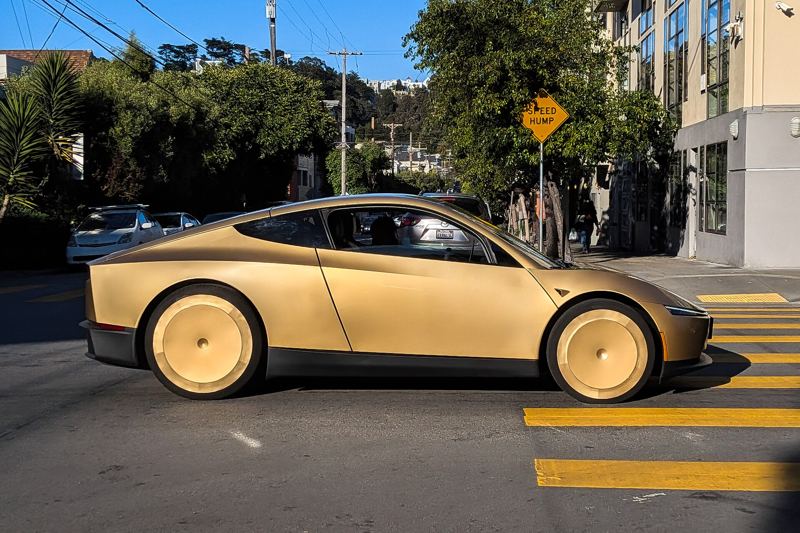
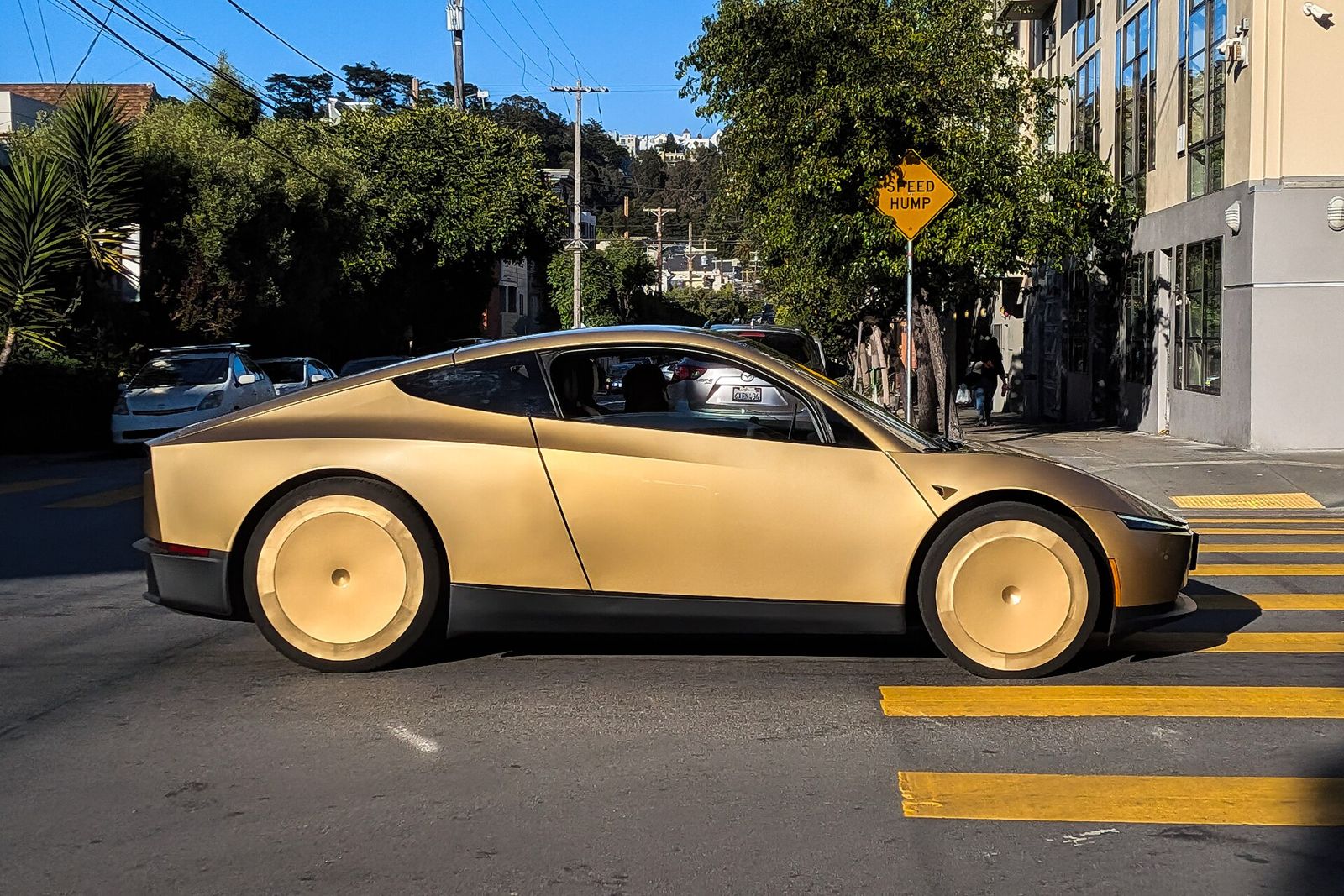
Other first-responder details in version 1.6 include gold "Robotaxi" lettering, more angular fascias, an extra camera, and a design to yield or pull over when a first-responder vehicle is detected with lights and sirens, then rapidly flash hazards and wait for a remote Tesla representative. Robotaxi Mission Control "coordinates and manages rides" and may dispatch support personnel after a severe incident. Hours of operation are pointed to Tesla's public Robotaxi support page, not listed as a new timetable in the PDF. The accurate news is the dated manual: 85 mph posted-speed design domain, freeway language, and a California-or-Arizona appendix link, with the limits the document itself draws around weather, off-road use, and what a first-responder guide can and cannot authorize.