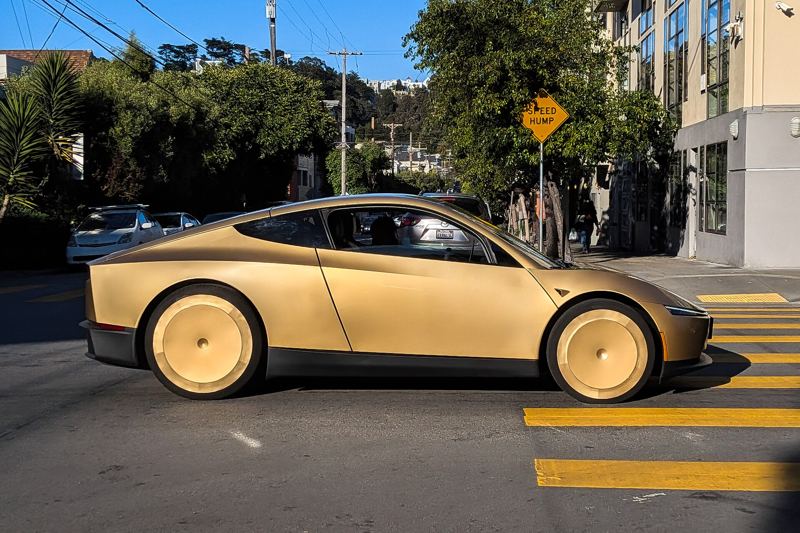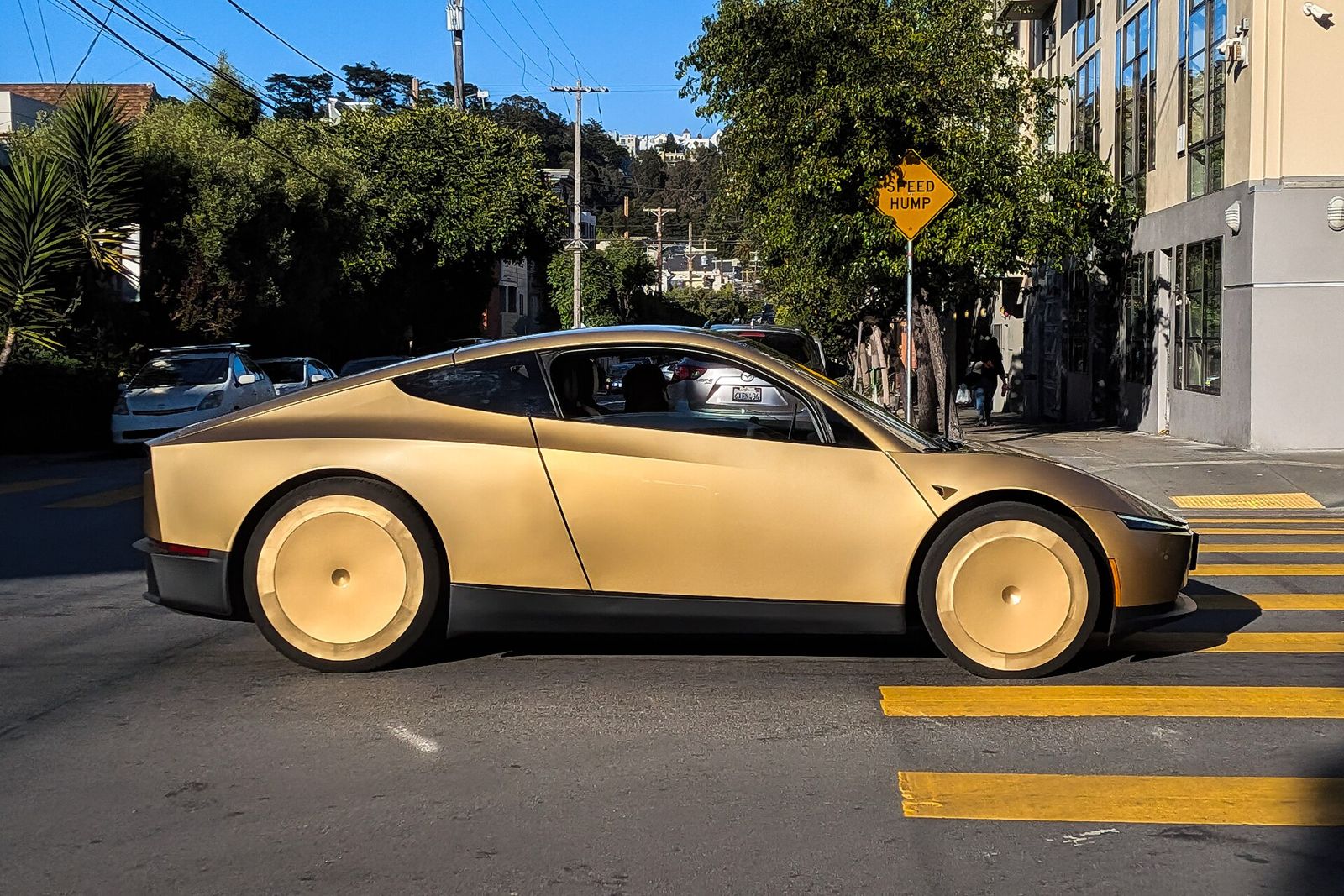
Tesla left space in the Cybercab's battery pack so it can move to cheaper LFP cells later. Robert Sumpf, who leads mechanical design for Tesla's battery modules and packs, said so in a Munro Live interview, Teslarati and The Next Web reported. "We protected this pack to go to an even lower energy dense chemistry as we scale and need to bring LFP into the platform," he said.
How the pack is built
- Four sealed modules: the pack uses Tesla's 4680 cells in four individually sealed modules, so a failed module can be swapped without replacing the whole pack, according to the reports.
- Spare room: there's space next to and beneath the modules, because LFP stores less energy for its size and would need more volume, The Next Web said.
- A break from the structural pack: Sumpf gave the Model Y structural battery "a grade D," Teslarati reported. Cybercab chief engineer Eric Earley said replacing a whole pack "before half a million miles is a killer on cost."
- Not all planned: Lars Moravy said part of the room exists because "we didn't need as many batteries as we thought we did." Tesla had told Munro in early 2025 it was targeting a pack under 50 kWh with close to 300 miles of range, per Teslarati.
What's not known
Tesla hasn't given a date, cell supplier or range figure for an LFP version. LFP generally costs less and lasts longer through charge cycles, which matters for a robotaxi meant to rack up miles. The same Munro series showed the Cybercab line can already build cars faster than Tesla deploys them (our earlier story). Tesla's own LFP cells are already used in Megapacks (Q3 energy story).