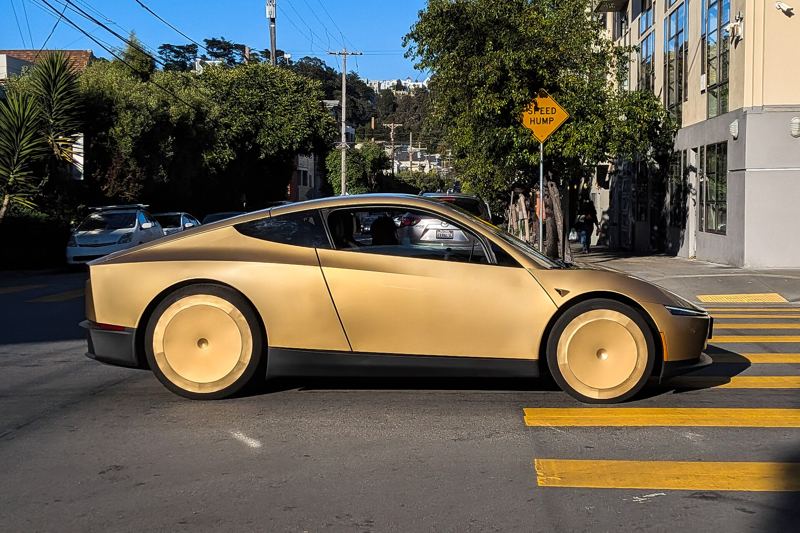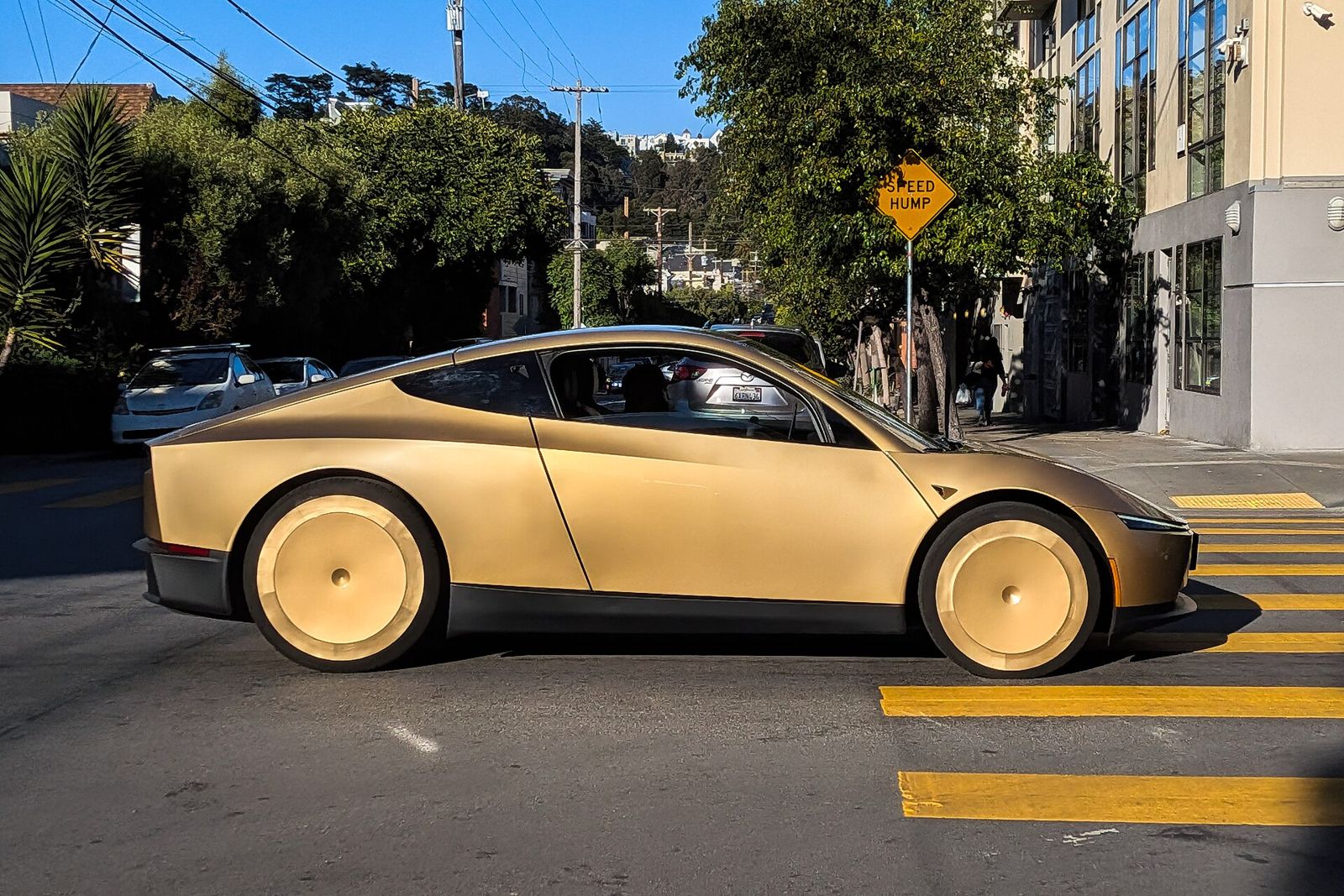
Tesla's Robotaxi fleet reported nine crashes from August 2026 to federal regulators, including the first report involving a Cybercab. The reports appear in the National Highway Traffic Safety Administration's latest Standing General Order data for automated driving systems (ADS), posted Thursday, Oct. 15, 2026 and covering reports through Sept. 15. Five of the August crashes were in Dallas, three in Austin and one in Tampa. All nine list property damage and no reported injuries.
With the new filings, Tesla has 36 ADS crash reports in the data NHTSA has published since the current version of the order took effect on June 16, 2025, days before Tesla's Austin Robotaxi launch. August's nine is the most for any single incident month in that data; the next highest is five, in January 2026.
The first Cybercab report
In Austin, a Cybercab was "proceeding straight in a parking lot going as fast as 5MPH and drove into a large pothole filled with water," Tesla's narrative says. The car had "a safety monitor present in the vehicle with no passengers." The crash happened in August, before public Cybercab rides opened in Austin on Sept. 4. It is the only Cybercab entry in Tesla's ADS reports so far; the other 35 involve Model Y robotaxis.
What the other August reports describe
- Remote operators driving: In two crashes a remote support operator was in control. In an Austin alley the car touched a dumpster at about 1 mph, and on a Dallas residential street it hit a parked SUV at 0.40 mph after the operator took over remotely. Neither car had passengers.
- Chains across driveways: In Tampa and Dallas, robotaxis following their navigation route drove into low-hanging metal chains blocking a parking lot exit (4 mph) and entrance (3 mph). The same release includes an updated report on a similar chain crash in Austin in July.
- Tight alleys: Two Dallas robotaxis made low-speed contact while turning, one with a utility meter at 0.45 mph and one with a guardrail at 0.25 mph.
- Other drivers: In Dallas, a pickup truck pulled out from a stop sign into a robotaxi's path. Tesla says its car, which had been going as fast as 27 mph, slowed to 3 mph and steered right before the truck hit its left side. In Austin, an SUV rear-ended a robotaxi that was stopped at a yield sign with three passengers inside.
What the numbers don't tell you
NHTSA cautions that the reports are not adjusted for fleet size or miles driven, and Tesla doesn't publish robotaxi mileage with them. Its fleet has grown fast: Texas records listed 769 Tesla Robotaxi vehicles as of Oct. 14, including 349 Cybercabs (see our Robotaxi tracker). Seven of the nine August reports list a pre-crash speed of 3 mph or less.
The data lands while NHTSA is already looking at the Robotaxi program. The agency is auditing how Tesla self-certified the steering-wheel-free Cybercab, with a response due Oct. 30, and is weighing a petition alleging robotaxis speed in active school zones. For more on what the fleet numbers do and don't show, see our look at Tesla's Austin Cybercab count.